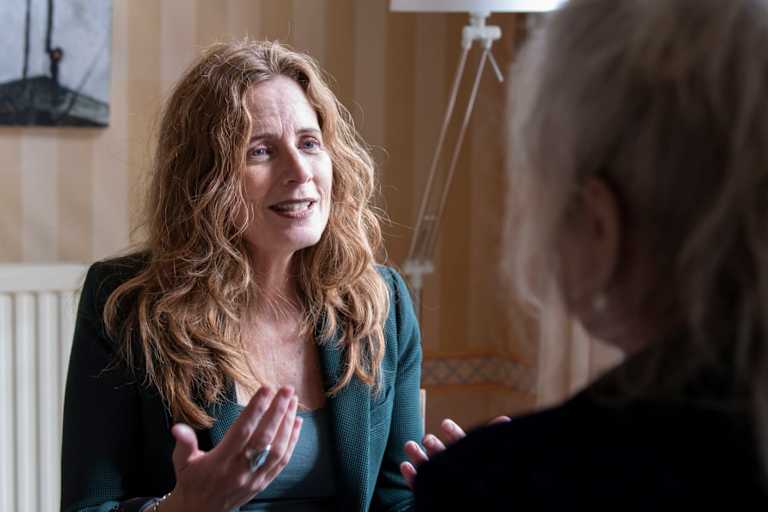
A master's in addiction counseling provides you with the skills to support and treat people with substance misuse challenges. You learn more about the effects of trauma on mental health and behavioral disorders. With this training, you can go on to work as a licensed addiction counselor where you can treat clients in private practice.
On this page, you can explore the top online master's in addiction counseling programs and key factors you should consider when choosing a graduate school program.
Featured Online Master's in Addiction Counseling Programs
Learn about start dates, transferring credits, availability of financial aid, and more by contacting the universities below.
Best Accredited Online Master's in Addiction Counseling Programs
What Can I Expect From an Online Master's in Addiction Counseling Program?
The structure and content of an online master's in addiction counseling depends on the specific school and program. Most master's in addiction counseling programs take two years to complete and require 30-45 credits.
In a graduate-level program, you'll take a deeper dive into the diverse addiction, traumatic, and mental health conditions people face and their many causes. The training usually combines classroom instruction, research, and hands-on learning experiences.
The program typically includes supervised clinical experiences to help you satisfy state licensure requirements. For this reason, your program may feature some in-person requirements. When preparing for graduate school, you should understand your state's counseling licensure requirements before settling on a program.
Degrees and Concentrations
An online master's in addiction counseling may award an MA or MS degree. MA programs often focus on theoretical research and interdisciplinary applications. An MS program focuses more on analytical studies and clinical applications.
Depending on the school, addiction counseling may be a specialization within a counseling program. You may also get to choose a concentration within your master's program. Examples include gambling and process addictions, sex addiction, alcohol and other drug misuse, and eating disorders.
Why Get a Master's Degree
Can earn state licensure and work as a clinical counselor
Ability to provide one-to-one counseling services in a private practice setting
Enhance your career prospects and opportunities for advancement
Higher earning potential
Why Get Your Degree Online
Flexibility to study while working or managing personal responsibilities
Helps you develop self-discipline and time-management skills
Access more programs without being limited by location
Still Looking for the Right Fit? Discover Similar Degree Programs.
How Do I Choose an Online Master's in Addiction Counseling Program?
When choosing an online master's in addiction counseling program, consider the cost, format, and accreditation to ensure it meets your personal and professional needs. Additionally, the location of your program can impact networking opportunities and even licensing requirements.
Cost
Program cost is often a top consideration for college students. You should compare costs for online and on-campus programs, in-state and out-of-state programs, and private and public schools. You should also think about the true program cost, which factors in your working income.
According to the National Center for Education Statistics (NCES), the median annual total cost for an online master's program is about $24,300. While this figure may seem high, it's more than 30% cheaper than in-person master's programs. And with careful research and consideration, you may be able to find more affordable online master's programs in the $4,000-7,000 a year range.
| Annual Cost of Tuition and Fees | Annual Total Cost |
|---|---|
| $9,440 | $24,300 |
Accreditation
Accreditation is one of the most important considerations for online addiction counseling programs because it will directly affect your eligibility for financial aid and ensures the program meets licensing requirements for professional practice.
Two of the most common programmatic accreditors for addiction counseling programs are the Council for Accreditation of Counseling and Related Educational Programs (CACREP) and the National Addiction Studies Accreditation Commission (NASAC). You can check if your program is accredited through the U.S. Department of Education's accreditation database.
Program Format
Program format plays a large role in when and how you learn. You should think about what format works best for you and look for schools and programs offering that option. Consider, for example, comparing synchronous vs. asynchronous studies. Do you prefer working at your own pace or meeting at set times to complete coursework?
Additionally, considering full-time vs. part-time enrollment is crucial as it impacts the duration of the program and your ability to balance studies with your personal and professional commitments. If you plan to work while completing your master's degree, part-time enrollment may be best for you.
Location
Even if your degree is offered online, you should still consider the location of your graduate program. Many graduate-level programs have occasional in-person requirements. Plus, many schools allow online students to access to on-campus services, like facility labs and the library.
Keep in mind that you also need a license to practice independently as an addiction counselor, and many programs work with state boards to help you complete licensure requirements during your studies. For these reasons, attending a school close to home and in the state you intend to practice in can be beneficial.
Student Support
The type of student services schools provide can add to higher education experiences and outcomes. You should investigate what your prospective school and program offers.
Some important online student services include academic and wellness support, career services, college mentorships, and internships.
How Much Do Addiction Counselors Make
According to the Bureau of Labor Statistics (BLS), substance misuse counselors earned a median annual wage of $59,190 in 2024, which is slightly above the national median salary for all occupations ($49,500). While entry-level positions in this field might start closer to the national median, experienced counselors can earn more.
The top 10% of substance misuse and mental health counselors earned over $98,000 in 2024. These professionals likely have years of experience and top industry credentials.
Work experience isn't the only factor that impacts salary: location matters, too. The median pay for substance misuse counselors working in Alaska was $88,870, while those working in North Dakota and Texas earned under $70,000.
The industry you work in impacts your earning potential, as well. Counselors working in hospitals tend to earn more than those in residential facilities.
Top Paying Industries for Mental Health Counselors (Median, 2024)
$49.6kResidential Facilities
$57kIndividual and Family Services
$58kOutpatient Centers
$59kOffices of Health Practitioners
$62kHospitals
Job Outlook for Addiction Counselors
The job outlook for addiction counselors is strong. The BLS projects 17% growth for substance misuse, behavioral disorder, and mental health counselors between 2024 and 2034. This is six times faster than the projected growth rate of 4% for all U.S. occupations.
The more we understand addiction, mental health, and behavioral disorders, the greater the demand for these services increases. Additionally, the legal system is increasingly looking for treatment alternatives to jail time, which may help drive demand.
Is a Master's in Addiction Counseling Degree Worth It?
With a master's degree in addiction counseling, you can pursue state licensure, which allows you to provide clinical one-to-one counseling services to your clients. If your career goal is to work in a private practice as a clinical addiction counselor, a master's degree in addiction counseling is certainly worth it.
Plus, this degree can act as a foundation for doctoral-level studies if you're interested in pursuing a professional degree. One thing to keep in mind is the ROI may be modest, given the high cost of attending graduate school and the relatively average pay for addiction counselors.
If you do not intend to become a clinical addiction counselor or pursue a professional degree, a bachelor's degree and certification should suffice for most entry-level addiction counseling professions and social service occupations.
Featured Master's Programs in Counseling
Frequently Asked Questions About Master's in Addiction Counseling Programs
What are the highest-paying jobs with a master's in addiction counseling?
One of the highest-paying jobs you can get with a master's in addiction counseling is social and community service manager. These professionals earned a median annual wage of $78,240 in 2024, according to the BLS. The highest 10% of earners in the field made more than $129,820.
When it comes to pay for substance misuse and mental health counselors specifically, your employer and the industry you work in can greatly impact your earnings. In 2024, the highest-paying industry (that employed at least 10,000 of these professionals) was the local government. This industry paid an annual mean wage of $65,100.
What can I do with a master's in addiction counseling degree?
With a master's in addiction counseling degree, you can qualify for state licensure, which permits you to work in clinical, private practice counseling positions. You can pursue clinical substance misuse, behavioral disorder, and mental health counselor careers.
You can also access other community and social service management positions, including social work and school counseling. If you're looking to continue your education and training even further, several doctoral degree paths are available, including family, mental health, and behavioral disorder counseling degrees.
Do you need a master's degree to work as an addiction counselor?
No, you do not need a master's degree to work as an addiction counselor. A bachelor's degree and relevant credentials are sufficient for many entry-level addiction counseling and social service positions. And some states don't even require a bachelor's degree, only a high school diploma and relevant certification.
The one exception to this would be if you want to work as an addiction counselor in a private practice, where you can provide one-on-one counseling. This type of counseling requires you to become state-licensed, which requires a master's degree.